This is Part 2 of my series on traveling via Eurail through Italy and Switzerland. For Part 1, click here.
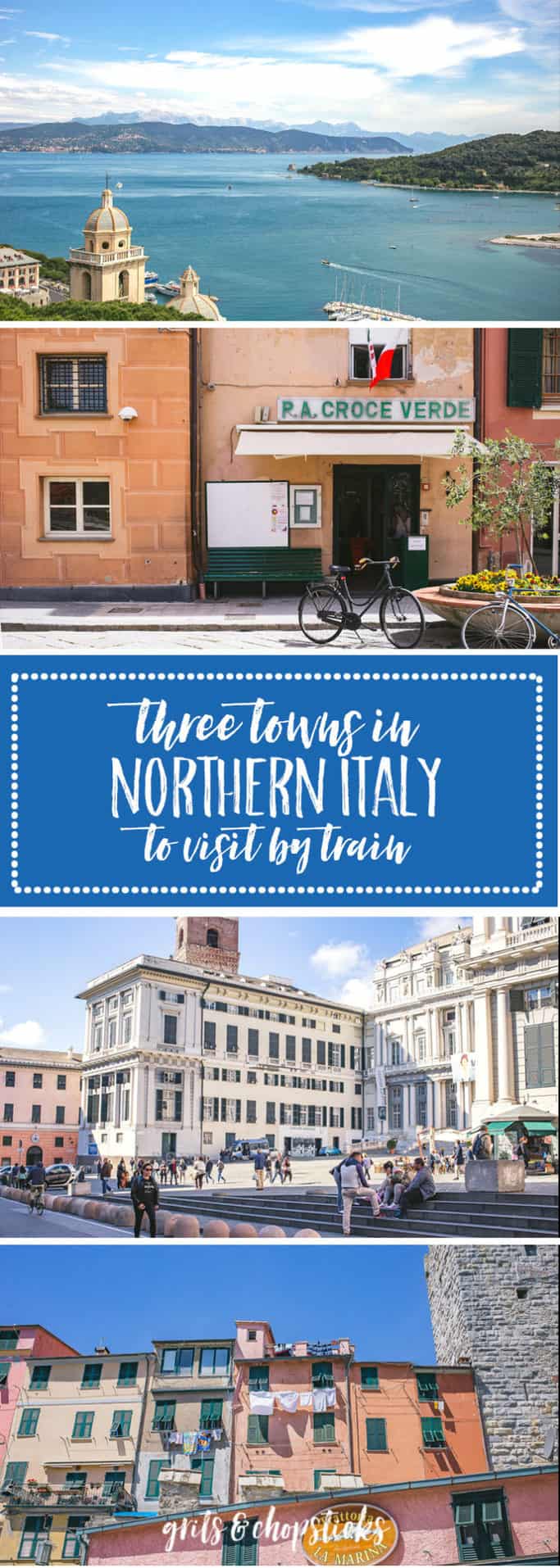
From Lugano, Switzerland, traveling using my Eurail pass to journey to Italy was easy. A two-hour train from Lugano (with a transfer in Bellinzona, Switzerland) to Milan landed me in Genoa, which served as home base for traveling throughout the Italian Riviera (the coastline region of northern Italy). Today I’m showing you three Italian towns — Genoa, Sestri Levante and Portovenere — that should be on your list of must-sees in Italy. Plus, with Eurail’s one-country and multi-country passes, you can enjoy unlimited travel by train through Italy.
1. Genoa
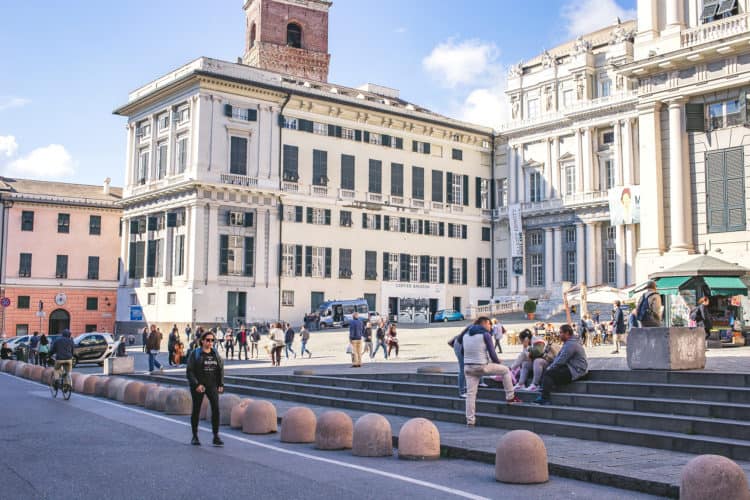

Genoa isn’t on the well-trod path for Italian tourism, but it very may well be in the near future, thanks to this recent New York Times article. But if you won’t take the Times’ word for it, take mine: Genoa is a wonderful place to experience the finest that Italy has to offer. Located on the northern Italian coast, for centuries Genoa was a maritime city in its own right. From a tourist’s perspective, the city is sleepier than its Roman cousin. There’s no overtly grandiose coliseum or Pantheon to admire. Instead, behind hidden shutters lie beautiful gardens and courtyards that dazzle.
Using a Eurail pass, travel between Milan’s Centrale station and Genoa’s Brignole station is just over an hour and a half, and fare is included in the two-country Italy-Switzerland pass (which starts at €255 for a 4-day pass to be used within 2 months).
The food is also a main attraction in Genoa. Gorgeous seafood abounds, especially in crudo (raw, thinly sliced seafood) form. Try the one offered at the Marea Restaurant at Melia Genova, which has a trio that includes of tender chunks of hearty tuna and a large, sweet ruby red langoustine sprinkled with crusty sea salt and a drizzle of olive oil.
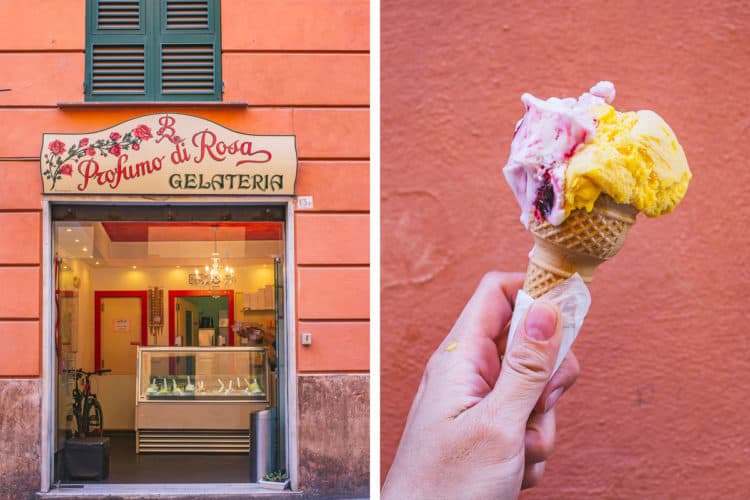
Of course, no trip to Italy is complete without one-a-days — one gelato a day, of course. Stop by Profuma di Rosa, a tiny slip of a gelato shop offering a variety of homemade flavors daily. The amarena (cherry liqueur) gelato is seriously heart stopping, with boozy cherries woven through creamy, light milk gelato. The gelateria is also located a quick walk away from the Musei di Strada Nuova, one of Genoa’s art museums, for those looking for an excuse to kill time before having a second dose of gelato.

But of all the hidden gems in Genoa, perhaps the most surprising was Rooster Streetfood Rotisserie, a fast-food roast chicken joint that had simple, to-die-for roasted chicken panini. From roasted eggplant with melted aged provolone to pesto-slathered buffalo mozzarella, the sandwich fixings at this no-frills eatery were the best blend of Italian flavor in handheld form. Buy one (or two or three — because you’ll want more) and head over to the palazzo just outside to enjoy some impromptu alfresco dining.
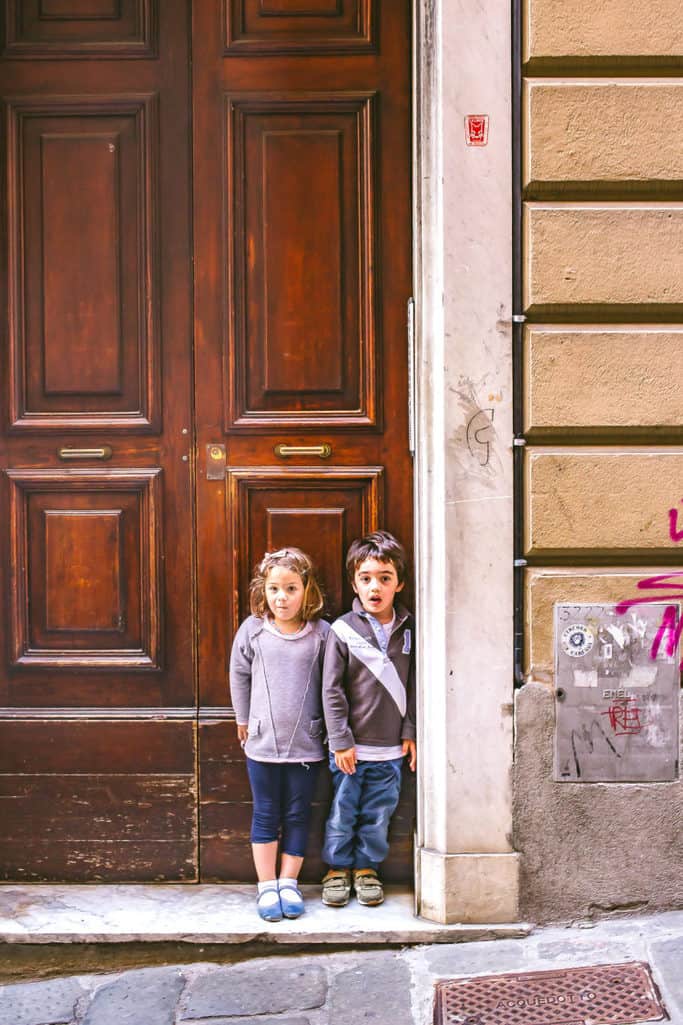
2. Sestri Levante
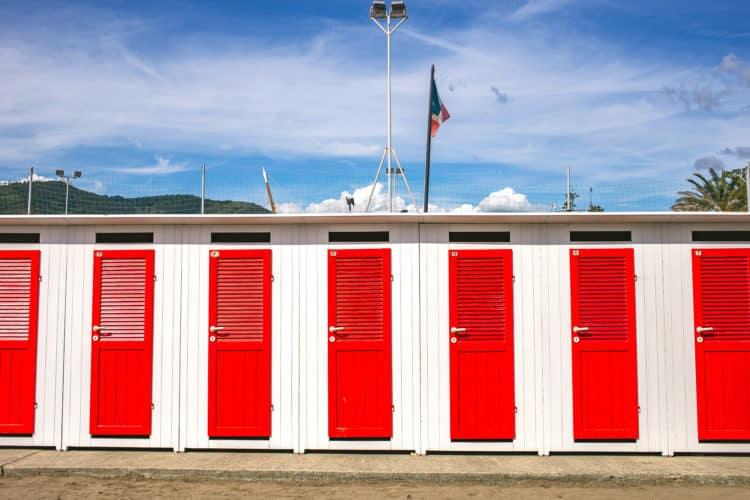
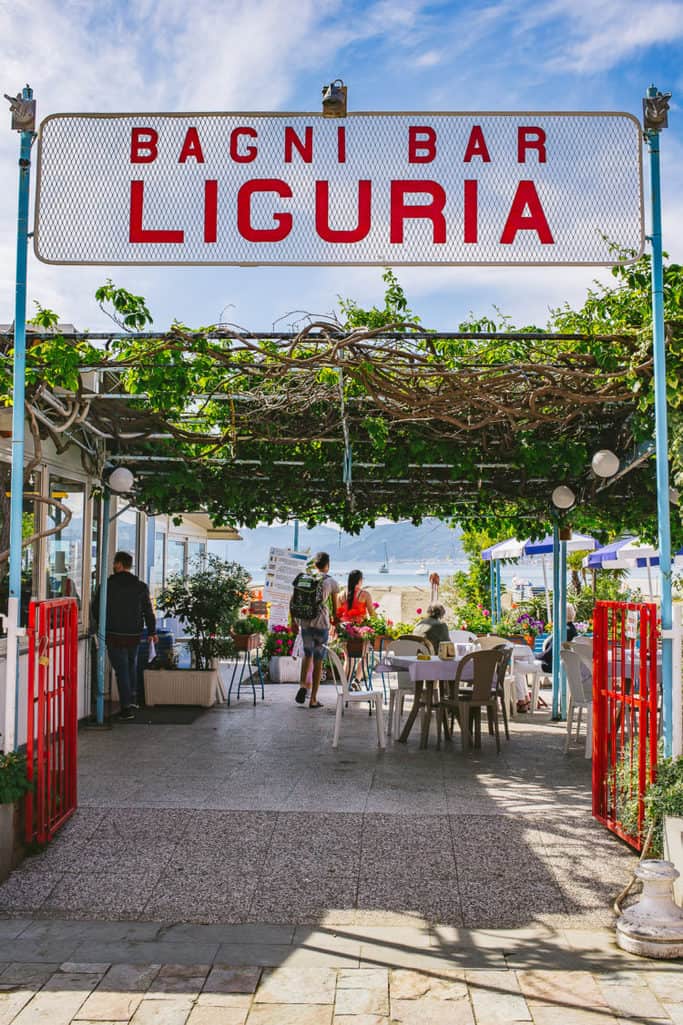
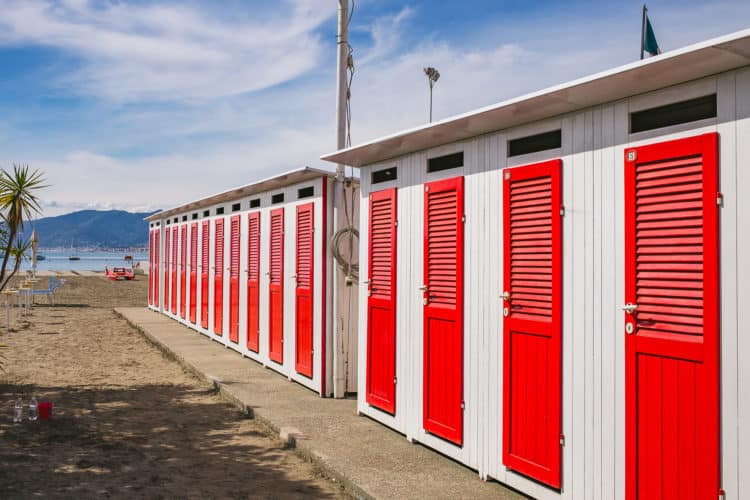
You know in those old Italian movies, how there’s a young ingenue in a hip-hugging bathing costume, her perfect hair tucked into a chiffon scarf as she kicks around merrily in a charming yet rustic seaside town? That town is Sestri Levante. (Okay, so not like, literally every time, but it should be).
Traveling to Sestri Levante is easy; it’s just a 40 minute (via high speed train) to one hour (via regular train) ride from Genoa’s Brignole station (information here), and included in a Eurail pass. In addition, you can use Eurail’s easy-to-navigate Rail Planner App to reserve seats ahead of time for no additional cost.
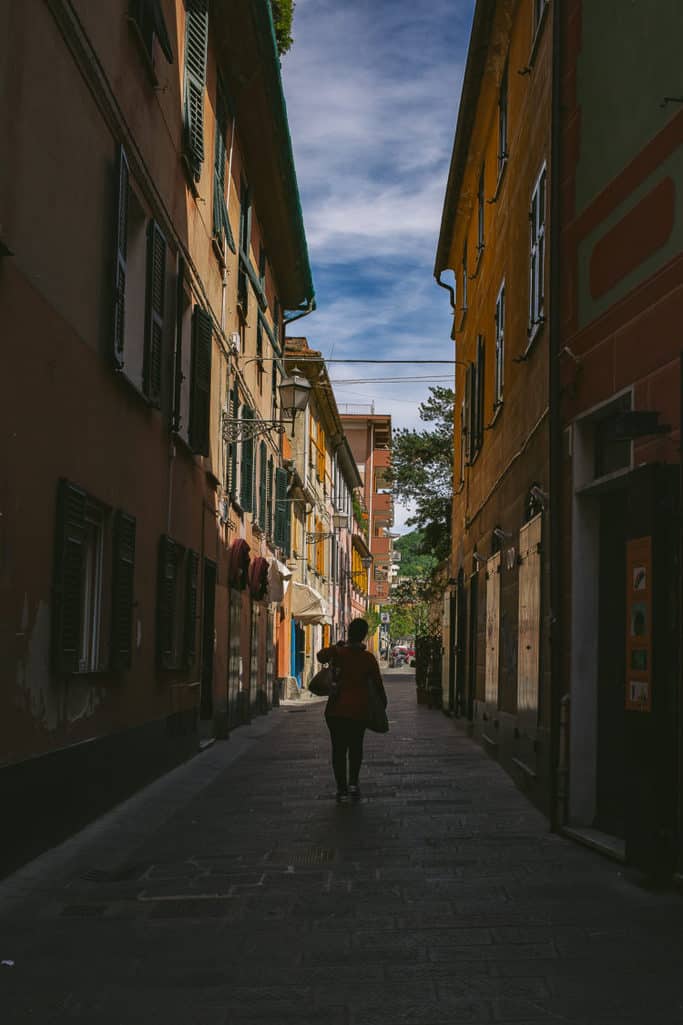
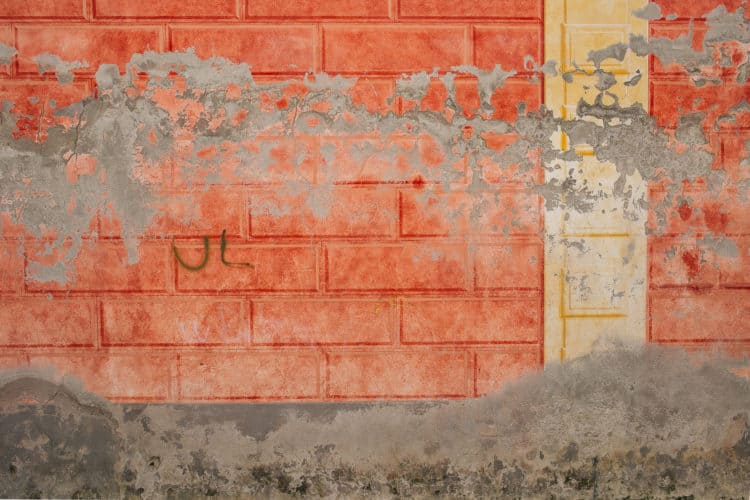

The best part about Sestri Levante is that it’s literally surrounded by water, with the Baia della Favole (Bay of Fables) on one side and the Baia del Silenzio on the other. For tourists, this means that Sestri Levante has doubly accessible beaches in its tiny town.
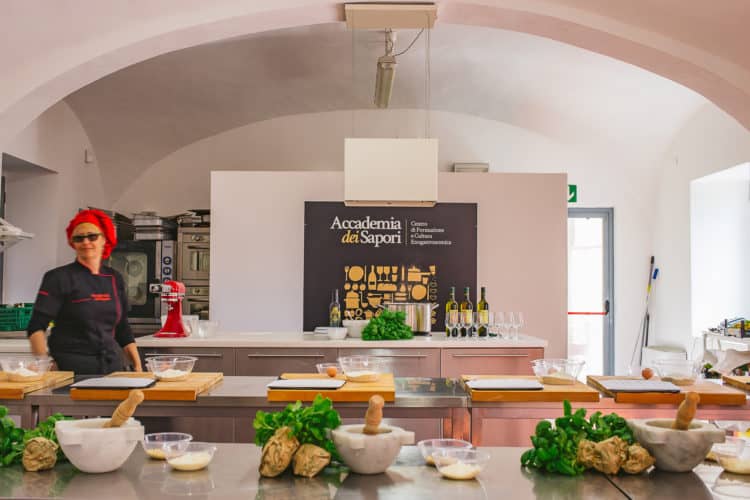
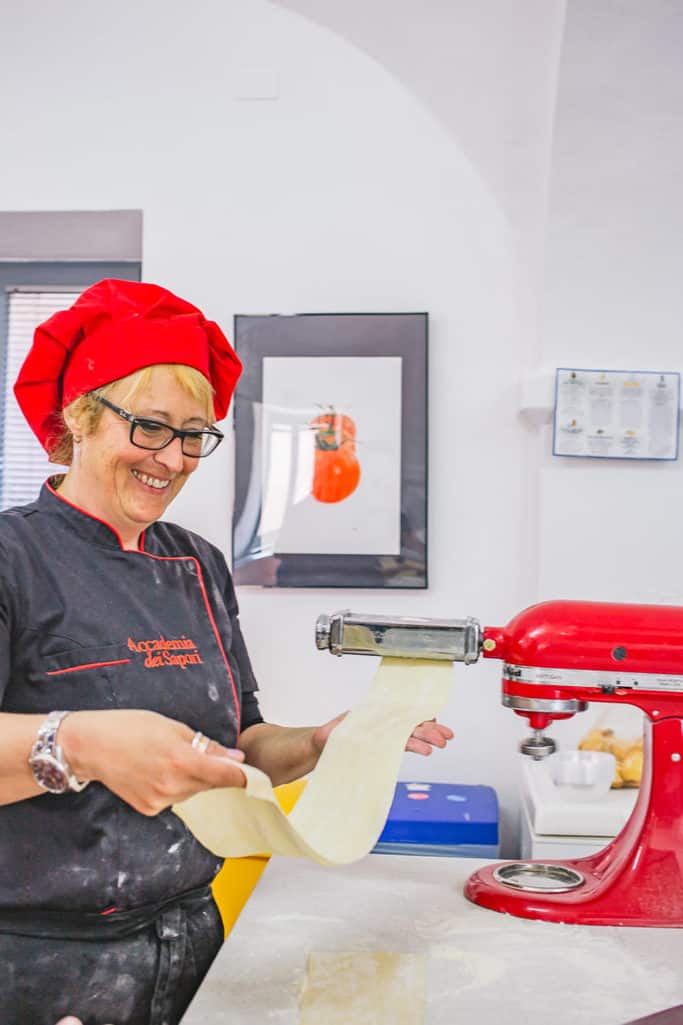
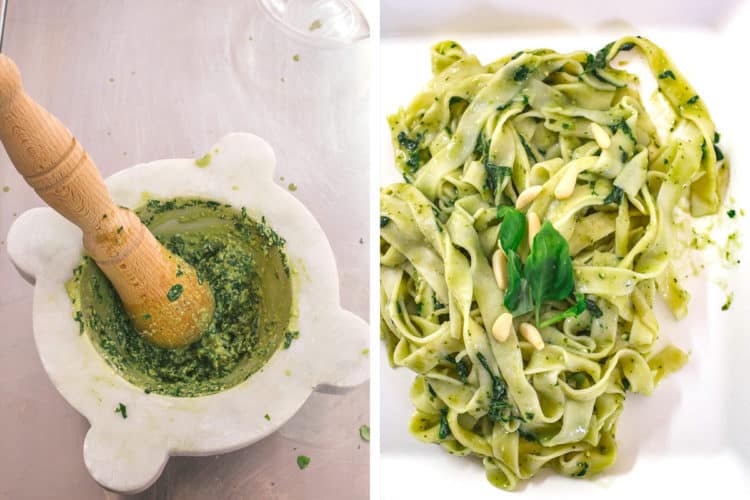
Sestri Levante is also an ideal place to pick up some skills in the kitchen. Both Genoa and Sestri Levante are located in the Italian region of Liguria, which is known for being the origin of pesto. Learn how to make pesto and pasta from scratch at Accademia dei Sapori, where classes are offered three days a week. The school overlooks Mar Liguria (the Ligurian Sea) and is built out of a former convent. In other words, it checks all the boxes when it comes to an authentic Italian cooking experience.
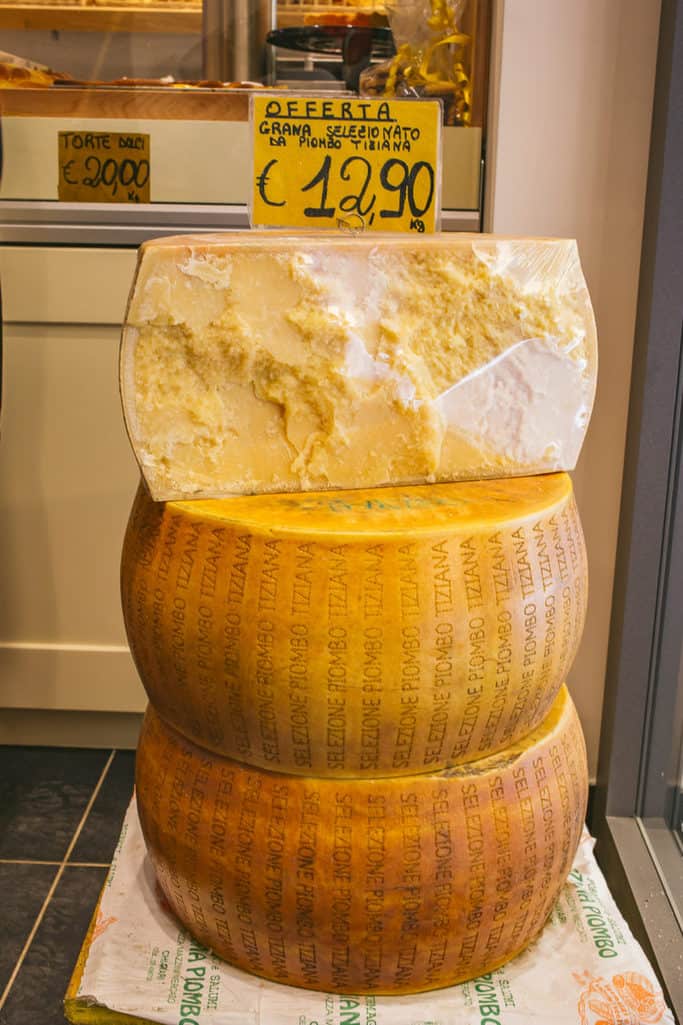

If you’re more of an expert eater than a chef, Sestri Levante has no shortage of street food. Scarlet tomatoes are so sweet that they can be eaten like a hand fruit, and baked slabs of foccacia with bits of cheese browned and embedded into the surface are available at nearly every corner bakery.

No trip to the Liguria region would be complete, however, without a heaping helping of pansoti, a handmade ravioli filled with Ligurian herbs and greens a local cheese called prescinsêua (similar to a blend of ricotta and silky sour cream). The herbs and greens are specific to the Ligurian region, and really not easily duplicated anywhere else in the world. Try the ones at Cantina Miramare, a Michelin guide-recommended white tablecloth establishment. The pansoti are light and fluffy, pillows of greenery among a creamy walnut sauce and topped with shavings of grana padano.

Of course, Sestri Levante also boasts incredible, fresh-off-the-boat seafood. Fresh octopus is really a treat — one version at Cantina Miramare was lightly grilled, allowing its flavor and just ever-so-slightly chewy texture to shine.
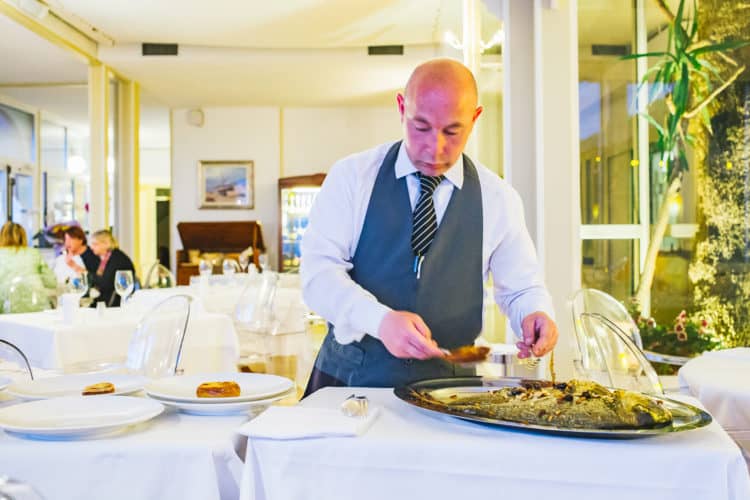
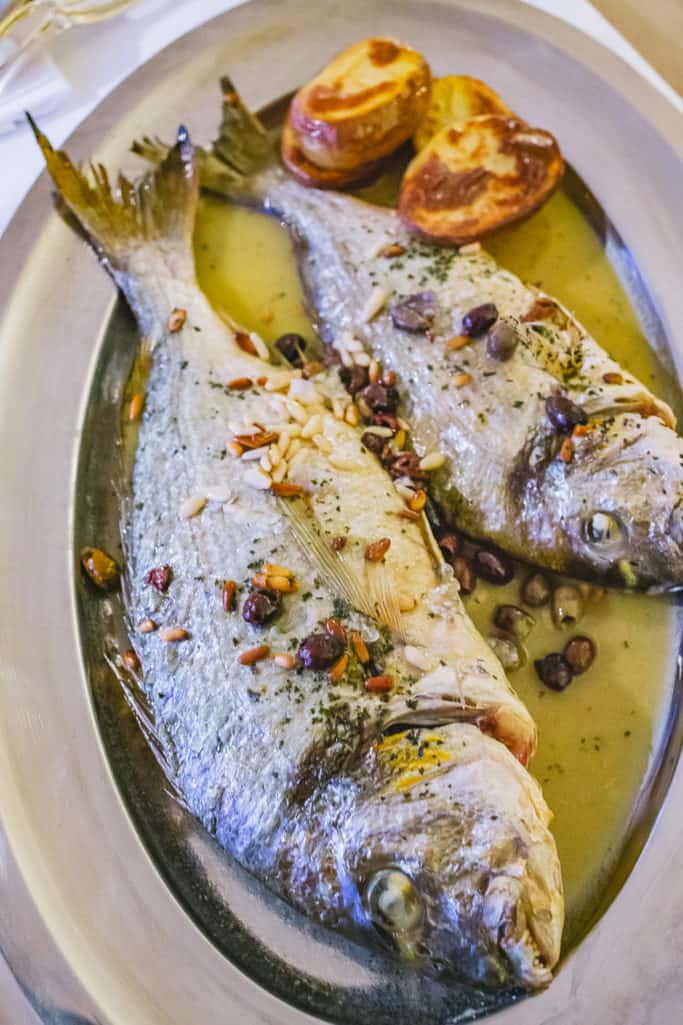
The highlight of Ligurian-style dinners, though, has to be the freshly roasted fish. Order the wild orata, a flaky yet meaty sea bass that is indigenous to the Ligurian sea. The Ligurian roast is garnished with pesto, whole toasted pine nuts and black olives, and the meat of the orata is hearty enough to absorb all of these flavors for a briny, satisfying bite.
3. Portovenere
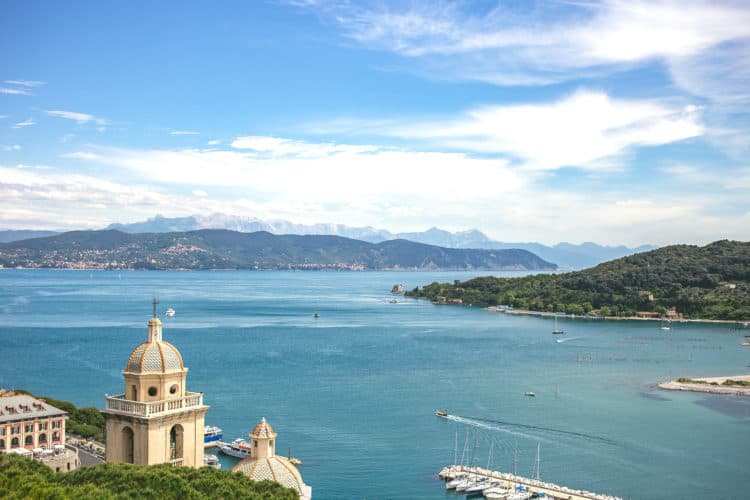
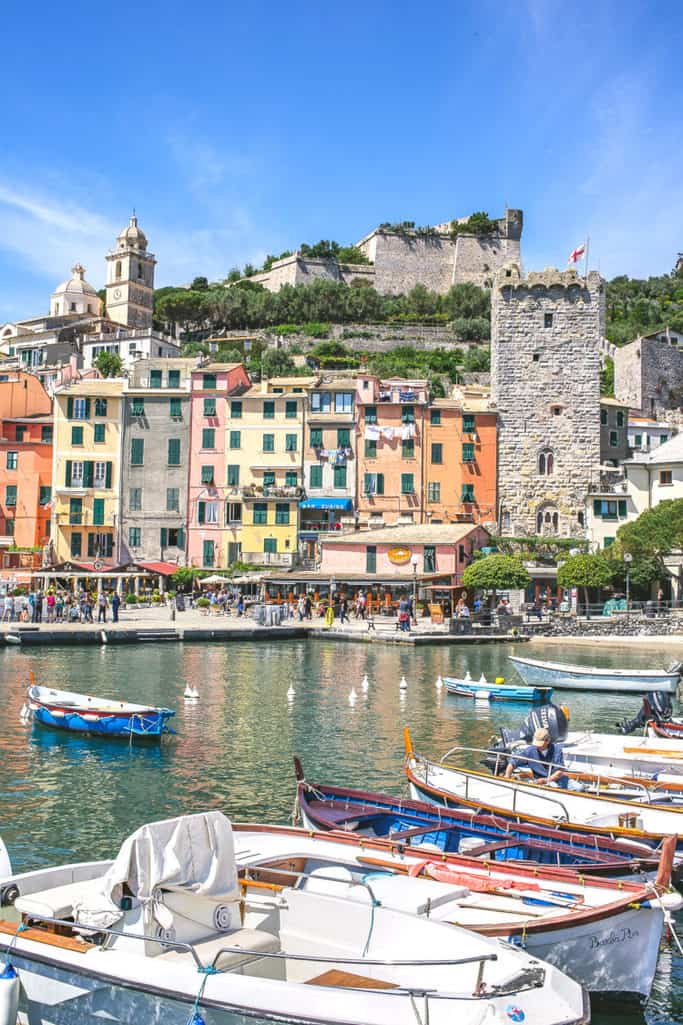
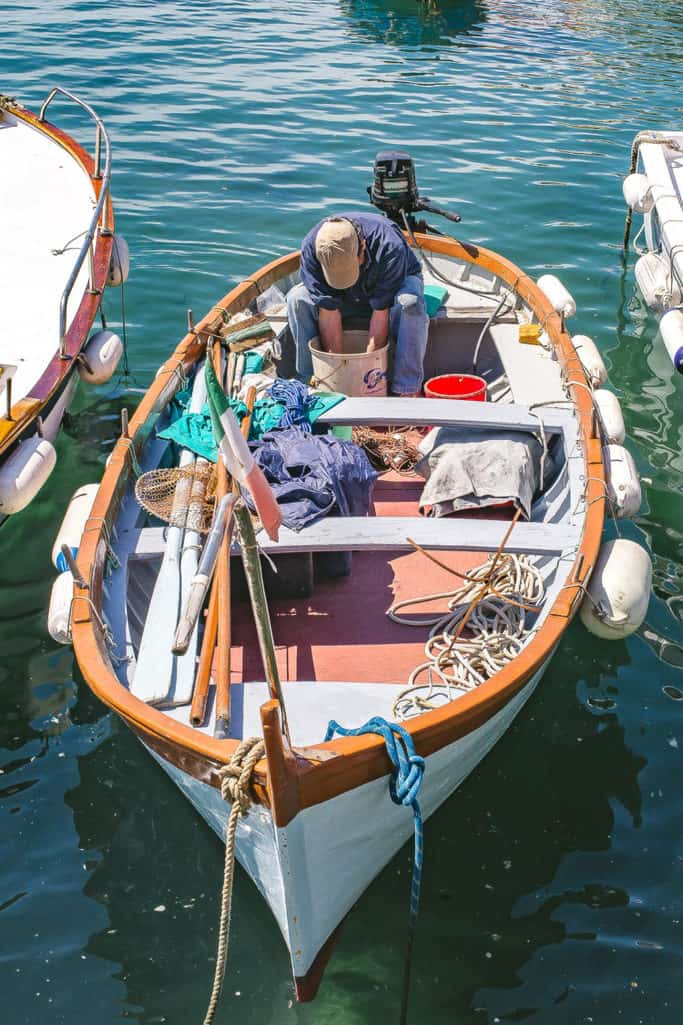
If Sestri Levante is the ingenue’s beach town, then Portovenere is the home of the rugged, curmudgeonly Italian fisherman who longs for the love of a woman on her own personal “Eat Pray Love” journey. Situated on the Ligurian coastline in the province of La Spezia, Portovenere, along with the five coastal towns that comprise the famed Cinque Terre, was designated a UNESCO World Heritage site in 1997.
Getting to Portovenere from Genoa’s Brignole station takes about 2 hours — you can catch the train from Genoa to La Spezia Centrale train station and transfer trains, or, for a more scenic route, take a thirty-minute ferry boat from La Spezia to Portovenere.
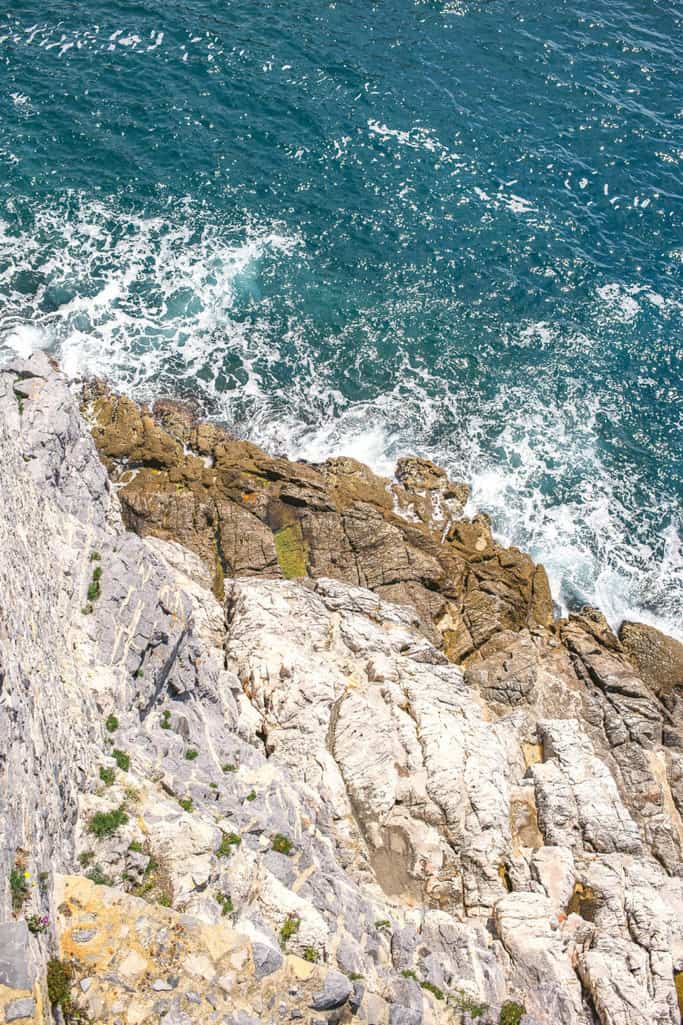
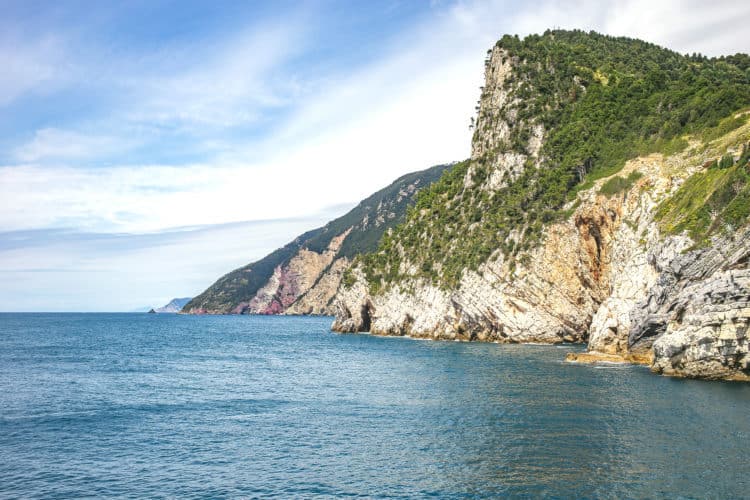
Portovenere is often passed over by other tourists to the Cinque Terre area, who view the five towns dotting the Italian coast as the main attraction. As a result, there are fewer crowds in Portovenere, which is smaller but just as picturesque as its coastal cousins. With a little grit and determination, you can hike up the craggy cliffs to the Church of San Pietro for spectacular views of the sea below.
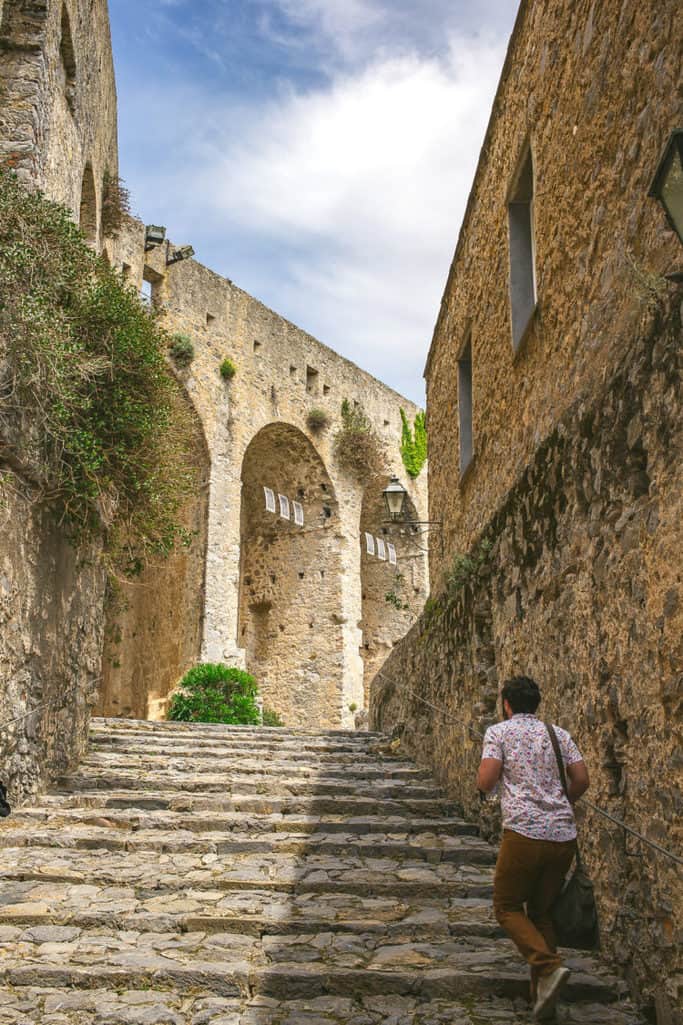
Ambitious hikers can continue upwards to the Andrea Doria Castle. The castle is a handsome display of sun-dappled rock and soaring views of the town below. For a fully guided, customized experience, Emanuela from Beautiful Liguria can put together an itinerary that includes these destinations (plus stops at the towns in Cinque Terre).
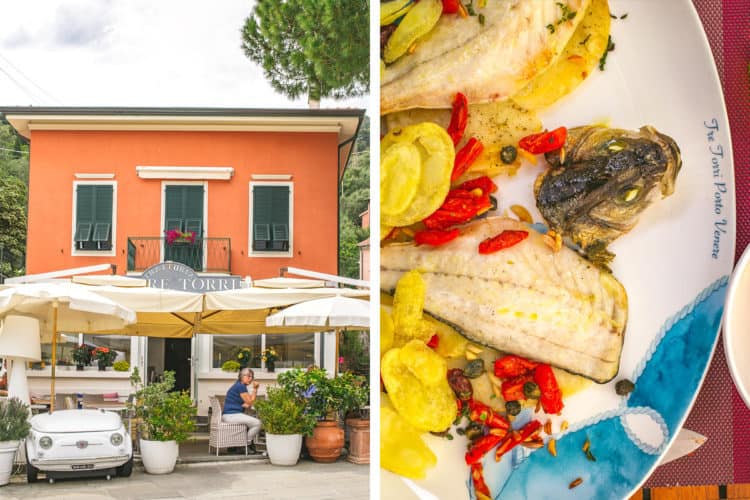
After you work up an appetite, visit Trattoria Tre Torri in the town proper for fresh Ligurian seafood and housemade pastas. The restaurant is situated right off the main town piazza, and on a warm sunny day, it’s the perfect place for people watching from its covered terrace while sipping on crisp white Ligurian wine (be sure to sample the Vermentino grape, a local variety with crisp apple and floral notes that’s particularly suited for seafood and sipping).
A special thanks to Eurail, Beautiful Liguria, the Melia Genova and my other lovely hosts in Italy for their hospitality. (FTC disclosure: I was not otherwise paid or compensated for writing this piece.)